Following Prince Harry’s launch of Travalyst, a sustainable travel initiative, early this month and in the build up to World Responsible Tourism Day on 6th November 2019, travel PR Hills Balfour has showcased a number of environmentally and socially conscious tourism initiatives taking shape around the world.
From Namibia’s Dark Sky Reserve, tackling the negative impacts of artificial light on the environment, to Santa Monica’s ban of single-use plastics, a growing number of destinations are attempting to reduce detrimental impacts of travel and tourism on the local communities and the environment.
If you are involved in sustainable travel or operate an eco resort, you may be interested in the Eco Resort Network taking place from June 18-20 in the world’s first Green Country; Slovenia.
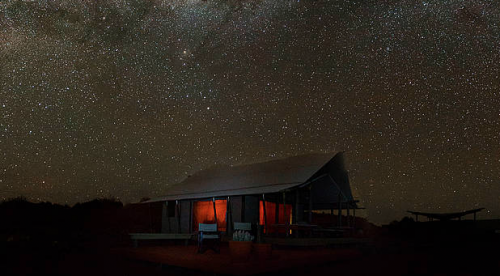
Namibia’s Dark Sky Reserve
As the first African country to incorporate environmental protection into its constitution, Namibia has made its mark on the map for responsible tourism in a multitude of ways. A staggering 40 percent of the country is now under conservation management and as an outcome, Namibia is home to the last free-roaming populations of black rhino and desert elephant. The NamibRand Nature Reserve, located in southern Namibia is a private reserve established to help conserve the unique ecology and wildlife of the south-west Namib desert. In 2012, the International Darks Sky Association designated the reserve as a Gold Tier International Dark Sky Reserve, the first and only one in Africa. The reserve’s initiatives and lighting guidelines, including maximum allowable brightness of outdoor light fixtures and maximum use of vehicle headlights, have successfully minimised the negative impacts on plant species and nocturnal animals in the area. The lack of artificial light aided by the fact that Namibia is the second least densely populated country in the world, makes the night sky over the nature reserve exceptional for stargazing. www.namibiatourism.com.na
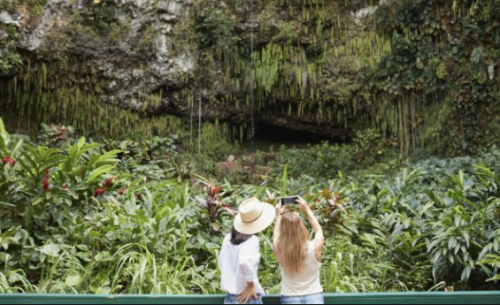
Eco-practices in Hawai‘i
Eco-tourism is so important in Hawai‘i that the Native Hawaiians even have their own term for it: to ‘travel pono’ in Hawai‘i is to travel whilst being considerate of the thousands of miles of ocean that surround the archipelago. Hawai‘i was the first state in the US to pass a bill banning sunscreens containing the chemicals oxybenzone and octinoxate, which have been proven to harm marine environments and residing ecosystems. The ban will come into effect in January 2021 and will help to protect Hawai‘i’s coral reefs and to keep the rich sea-life healthy and happy, ensuring that visitors can continue to ‘travel pono’ whilst experiencing stunning marine life. www.gohawaii.com/experiences/eco-tourism
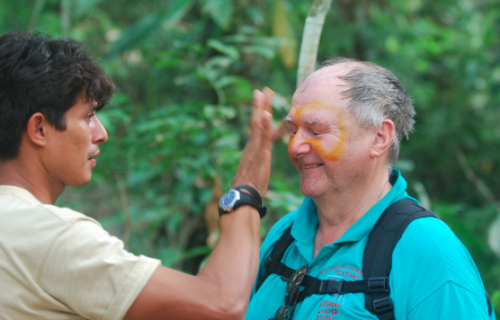
Exploring the Peruvian Amazon with ecotourism specialists Rainforest Expeditions
Peru encompasses 84 out of the 104 life zones identified on Earth, and these contain more than 20 percent of the flora and fauna species of the entire planet. The greatest part of this biological wealth is found in the Amazon, where scientists have recorded immensely diverse plant, bird, mammal, amphibian, reptile and fish species. The Amazon is home to many ecotourism and community projects, an example is the Peruvian company Rainforest Expeditions, founded in 1982. Through many socially and environmentally sustainable initiatives, Rainforest Expeditions both supports the local community of Infierno and encourages its guests to learn about nature whilst staying in luxury eco-lodge accommodation. www.peru.travel

Arizona’s CIVANA Carefree sustainable wellness resort
Nestled in the Sonoran Desert, CIVANA Carefree is the first sustainable wellness resort to open in Greater Phoenix. Grounded in principles of sustainability, attainability and possibility, the resort aims to improve energy efficiency by using solar power in its spa, as well as, incorporating natural materials throughout its buildings. CIVANA focuses on four pillars – Healthy Cuisine, Movement, Healing Arts/Spa and Discovery & Enrichment. In addition to the world class programming the resort offers, the area of Carefree and Cave Creek features a number of opportunities for sightseeing, biking, hiking and horseback riding. CIVANA Carefree recently underwent renovations of its public spaces, 184 rooms, dining outlets, and the conversion of meeting spaces into state-of-the-art fitness, yoga and enrichment studios. www.arizonaguide.com

Ras Al Khaimah’s sustainable tourism masterplan
Ras Al Khaimah Tourism Development Authority have developed a comprehensive sustainable tourism master plan to position the emirate as a leading sustainable tourism destination in the UAE. A ‘leave no trace’ agenda, a set of outdoor ethics that sets to promote conservation of the environment and reduce the impacts of tourism across the landscape, has been implemented across the emirate as part of its sustainable tourism program. The construction of the world’s longest zipline in the Jebel Jais Mountains was built so that if the zipline were ever to be deconstructed, no damage to the environment would result. No drilling was carried out during its construction in order to minimise the impact on the beautiful Jebel Jais Mountains. en.rasalkhaimah.ae
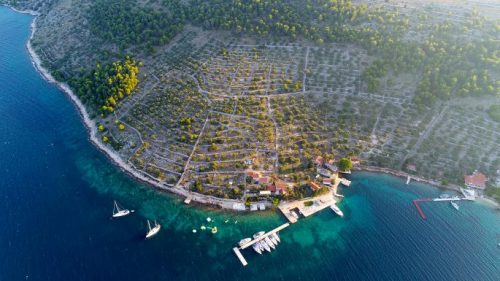
Croatia’s National Parks offer an eco-friendly break
Croatia has so much to offer in terms of active holidays that have very little impact on the environment. In total, there are eight national parks, all of which provide remarkable scenery and a host of vehicle-free activities to explore. The famous Plitvice Lakes is home to some of the most picturesque lakes and waterfalls in Europe and offers the perfect location for an adventure holiday. Visitors can take part in a whole host of eco-friendly activities, including kayaking, cycling, hiking and zip lining, or alternatively, trekking is a great way to explore the stunning nature of Croatia. The Sjeverni National Park is home to some of the country’s fantastic mountains and offers hiking trails for all types of travellers including avid hikers and families looking to venture away from the classic city break vacation. For those looking to minimise the environmental impact of their holiday, there is a selection of camping locations around the country which allow visitors to truly switch off. www.croatia.hr/en-GB/trip-ideas/Full-life
(pictured Glamping Festa on the island of Zut)
Cosmos partners with sustainable tourism projects
Tour operator Cosmos is dedicated to making an environmental, social and economic difference to the people and places that its tours touch across the world. The Globus family of brands including Cosmos has partnered with a wide range of different initiatives and projects, from the Childsafe Network to the Wildland Firefighter Foundation in the U.S., all of which contribute to sustainable tourism. The Globus family has proudly partnered with The Ocean Cleanup, an engineering environmental organisation that develops technology to extract plastic pollution from the oceans, in an effort to help reduce the impact of plastic on our ecosystems. Cosmos is committed to ensuring that their travellers can preserve the precious environments featured on their tours across the world. www.cosmos.co.uk

Discovering the eco-hotels of Trentino, Italy
Trentino, the region in northern Italy that stretches from the northern shores of Lake Garda up into the Dolomites, offers wildflower-filled meadows, mountain views and 297 lakes. The expansive natural landscape has inspired the accommodation options in Trentino with a variety of eco-hotels spread across the region. The newest is Lefay Resort & Spa Dolomiti in Madonna di Campiglio, the luxury wellness resort housing one of the Dolomites’ largest spas at over 5,000sqm across four floors. The carbon neutral hotel is committed to conserving energy and power to the highest degree, with an organic restaurant serving delicious Italian meals that are made with local, sustainably sourced produce, whilst the bedrooms were created to recreate the ambience of the Dolomites inside. www.visittrentino.info
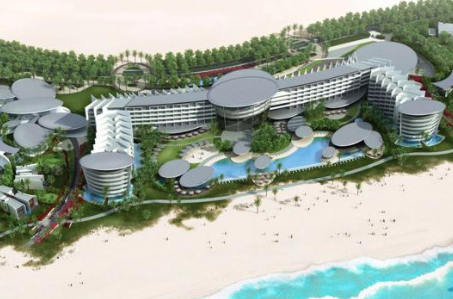
Abu Dhabi’s Jumeirah at Saadiyat Island Resort establishes commitment to sustainability
Surrounded by natural beauty, Saadiyat Island Resort offers a contemporary beachfront five star resort which opened in November 2018. The property occupies a stunning location on Abu Dhabi’s Saadiyat Island, overlooking 400 metres of protected sand dunes. The resort’s design was heavily influenced by the need to minimize impact to the island’s habitats, including the Saadiyat Beach dune ecosystem, its native flora and fauna and the nesting of the endangered Hawksbill turtles. The resort values sustainable tourism and was the first in the city to be free of plastic straws and single-use plastics bottles. Jumeirah’s partnership with Trust Your Water ensures solutions are in place to eliminate the need for single use plastic, with reusable bottles offered to guests upon arrival which can be refilled at stations across both the city and resort. www.visitabudhabi.ae